
Regulation starts with us
Children are constantly reading the adults around them, often without realising it. Teaching Assistant Victoria Willis explains why our own calm matters so much, what regulation can look like across a school day, and a simple three-step reset you can try tomorrow.

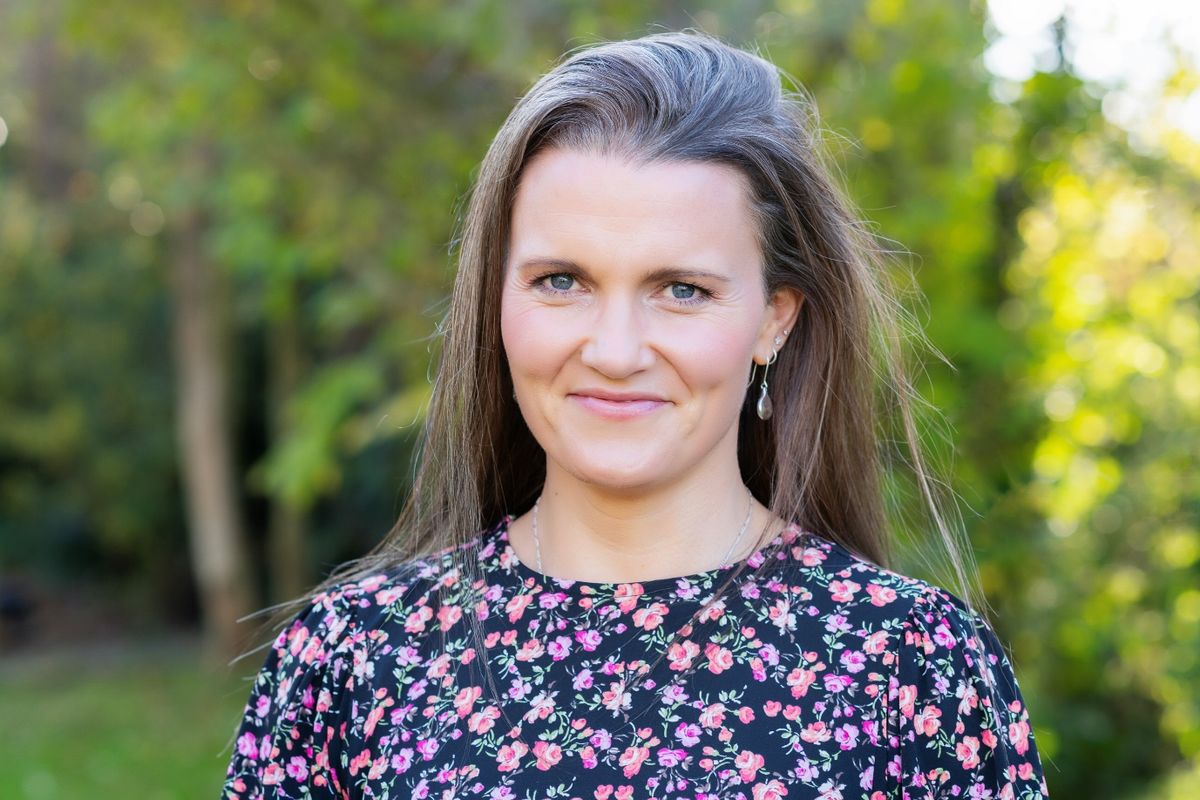
Guest spotBy Victoria Willis, Teaching Assistant and founder of The Calm Coach
Why I started
I began offering meditation practices to pupils and staff because I felt that existing PSHE provision and Employee Assistance Programmes weren't really addressing the everyday stress experienced by children and adults in schools.
I became increasingly aware of how much children were carrying emotionally, especially around tests, often with very little time in the school day to pause and reset. That work evolved into The Calm Coach, because I wanted staff, parents and children all to have access to these skills, so that together we create an ecosystem of support and regulation around each other.
Why regulation matters in the classroom
Our nervous systems are constantly, and mostly subconsciously, scanning the environment to answer one question: am I safe?
If we don't feel safe, we tend to respond in one of a few ways: fight, flight, fawn or freeze. Our bodies release stress hormones and prepare us for whatever action comes next. One of the areas affected is the prefrontal cortex, the part of the brain responsible for decision-making, concentration and impulse control. The more instinctive parts of the brain take over, which makes it very hard to learn and stay focused.
Children pick up on these signs in adults, too. A child may notice that an adult's tone of voice has become sharper, their body language more tense and their responses more abrupt. These are signs of a dysregulated state, and they can leave a child feeling less safe or supported than usual, even if they can't put into words what they're noticing. For a child who already struggles with sensory overload or anxiety, those extra cues can make a difficult situation even harder to manage.
This is why co-regulation is so important. Children don't always have the tools to soothe themselves, but they can borrow the calm of an adult's nervous system.
The Window of Tolerance
When we're regulated, we're operating within what's known as the Window of Tolerance. In that space, we're more resilient and have greater capacity to deal with whatever the day throws at us.
A calmer adult is more likely to respond thoughtfully than react instinctively, and can offer a reassuring presence that gives a child space to process. Our window looks different for each of us, shaped by our childhood, our circumstances, whether we've slept well and even whether we're hungry.
Which brings us back to safety. From a child's point of view, the questions are: Is this adult going to provide a safe environment for me to learn and thrive? Will their calm help me grow the pathways in my own developing brain, so that in time I can learn to regulate myself?
A calm adult can't prevent every instance of dysregulation. But they can help create an environment in which children feel safer, more connected and better able to learn.
What regulation looks like in a real school day
We know that many children, especially in primary, find the start of the day particularly tricky. That's why I strongly encourage a short group regulation practice before registration, perhaps with some calming music to set the scene. We don't know what each child has experienced before they arrive, and a whole-class reset (staff included) means everyone starts lessons from a calmer place.
Transitions matter too. A dysregulated child will struggle to take in information, so just one minute of calm breathing before each transition buys back far more time than it takes, and it builds co-regulation between staff and pupils.
I'm also a huge advocate of movement. A quick shake of the hands, or even the whole body, before breathing can help release tension.
Regulation for pupils with SEND
Regulation will look different for every child, particularly those with sensory needs, communication differences or limited verbal language. We need to meet children where they are, rather than expecting them to fit a particular approach.
For some, that might mean reducing sensory input, offering a quiet space or some gentle movement. Staff will often notice each child's individual signs of dysregulation, such as changes in facial expression, breathing, body language or withdrawal. Knowing those signs is a powerful starting point.
I'm a big fan of heart-breathing, which is at the core of all my programmes, because of its ripple effect. When we practise regulating ourselves as adults, we change the environment around us. A child doesn't need to understand or actively take part in a breathing exercise to benefit from the calmer presence of the people around them.
Regulation isn't always about asking a child to do something. Sometimes it's about creating the conditions in which their nervous system can begin to feel safe enough to settle.
Try this tomorrow: shake, tap, breathe
A simple three-step reset for staff to use themselves or with their class:
- Shake. Gently shake out your hands, arms and shoulders, or jump up and down a few times.
- Tap. Cross your arms over your chest, resting each hand on the opposite upper arm. Gently alternate tapping left and right at a comfortable pace.
- Breathe. Place a hand over your heart, think of something or someone you're grateful for, and gently slow and deepen your breathing for at least a minute.
A closing thought
We can't always control what happens in a school day, or what a child experiences outside the classroom, but we can influence the environment we create around them.
Regulation really does start with us. When we learn to support our own nervous systems, we give children something incredibly powerful: the experience of being alongside an adult who feels safe, present and connected.
"Regulation starts with us. When we feel safer, we create space for children to thrive."
General guidance for school staff, last reviewed 2 November 2026. Statutory guidance changes, so always check the latest version on GOV.UK.